What is the impact of spending £10,000? What’s the best environmental option?
Let’s say you are lucky enough to have won £10,000, or inherited it, or saved for it. What are the carbon emission associated with spending that money? What’s the best thing you could do for the Planet?
I guess most people would spend it on a new kitchen, a car or an expensive holiday. You could also invest in improving the energy use of your house, save the money in a bank account, invest it in the stock market or even give it away to charity.
Emission Factors - sources
I have used DEFRA’s emission factors for the UK for travel, electricity and natural gas.
For the purchase of goods and services I have done a rough calculation. In 2022, the UK economy was £3.2 trillion in size, divided by our consumption emissions of 750m tonnes of CO2 gives 0.23kg of CO2 emitted for every £1 spent.
Of course this varies depending on what you spend your money on. Expenditure on many services (eg a haircut) is lower than average, but construction activities are much higher at around 1kg of CO2 per £1 spent.
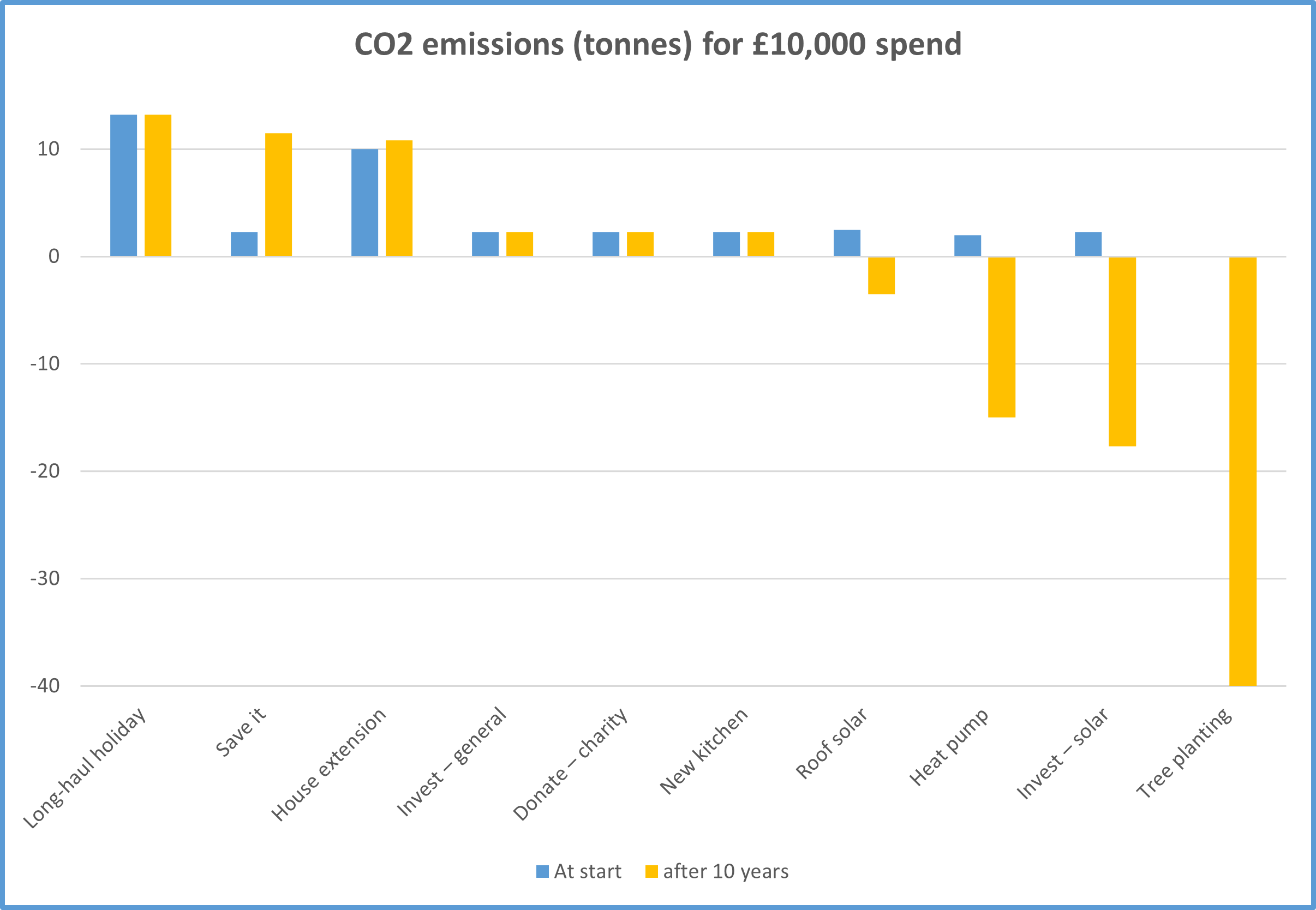
The table at the end of this article provides a summary of the carbon emissions or savings that might arise over 10 years for each option.
Buy a New Kitchen
So, buying new kitchen units for £10,000 might emit 2.3 tonnes of CO2, but hopefully your brand new energy efficient appliances will offset a little of this. Alternatively, £10,000 could buy you a small 4m2 house extension. At 1kg per £1 this would create 10 tonnes of CO2. Add 0.08 tonnes of CO2 per year, or 0.8 tonnes over 10 years, to heat the new extension using gas heating (100kWh per m2).
Long-haul Holiday
For £10,000 you could treat your partner and two children to a two-week Vietnam Family Adventure with Exodus Travel. Flying from London would emit 2.4 tonnes per person plus 66kg per person per day (from Exodus travel brochure). Total emissions of 13.2 tonnes.
Buy solar panels
For £10,000 you could buy 4kw of solar panels for your roof and have some money left over to buy a small battery. 4kw will generate around 3,400 units, saving 600kg of CO2 per year. The battery will enable you to use a higher proportion of this yourself, thereby exporting less to the national grid but it may have little impact on your overall CO2 savings (although it might reduce the grid’s peak load and therefore prevent a gas power station from having to be fired up).
The emissions to manufacture the solar panels might be 2 tonnes plus 0.5 tonnes for the battery so the ‘carbon payback’ is in the region of 4 years.
Over 10 years you will save 3.5 tonnes. The CO2 savings are relatively low, and will further reduce over time, because the UK’s electricity grid is already on a route to decarbonisation. But please note that solar panels should continue to work for decades.
Buy a Heat Pump
£10,000, net of a £7,500 government grant, will buy you a heat pump, new hot water tank and new radiators (if needed).
The average household uses 11,500 units of natural gas which emits 2.3 tonnes of CO2. This could be slashed by 75% to 0.6 tonnes with a heat pump creating a massive 1.7 tonne saving per year. Savings will further increase over time as our electricity grid decarbonises.
The emissions to manufacture and install the heat pump might be around 2 tonnes. The ‘carbon payback’ is just over one year, with 15 tonnes saved over 10 years.
Buy a 2nd Hand Electric Car
You could spend your £10,000 on a £15,000 second hard electric car, trading in your old petrol car for £5,000.
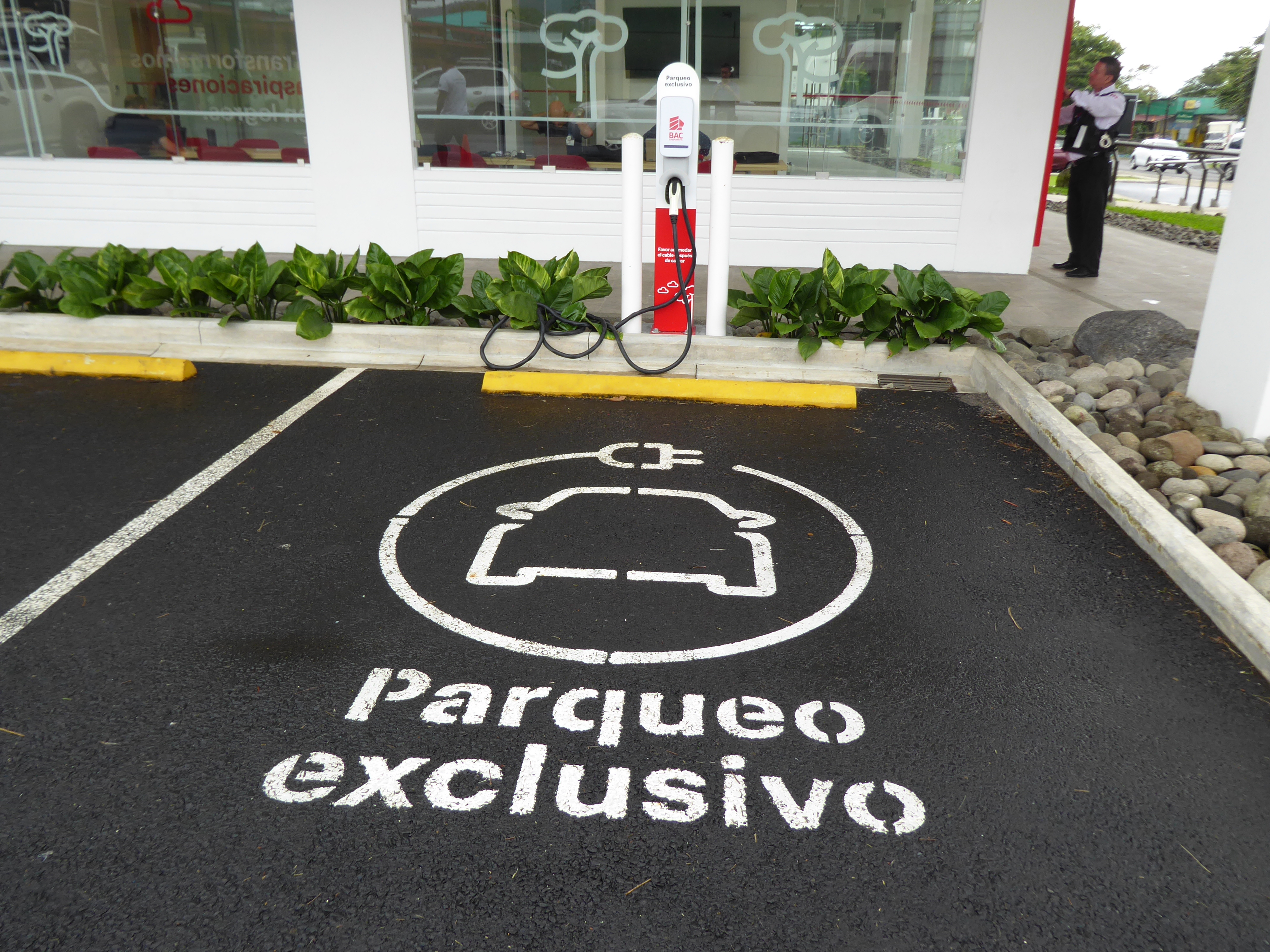
A modern fuel-efficient petrol car (10,000 km) emits 1.7 tonnes per year. An electric car emits zero when being driven, but the electricity required to charge the battery will emit around 0.3 tonnes.
But the emissions from manufacturing an electric car, particularly the battery, are higher than a conventional car. Perhaps 14 tonnes compared to 7 tonnes. Over a 14-year lifespan this equates to 1 tonne and 0.5 tonne per year respectively.
The savings are therefore 1.4 tonnes per year from driving, but deduct the additional 0.5 tonnes for a proportion of the additional manufacturing emissions gives 0.9 tonnes per year, or 9 tonnes over 10 years [of course it is still ‘greener’ to take public transport, cycle or walk than use an EV].
Save it
You could save your money with a traditional bank either in a current or deposit account. Economics is complicated, but in theory the bank will then re-lend up to 90% of your money to other people or businesses who will presumably spend that money. Whoever receives that cash may bank it or spend it creating a multiplier effect of lending, expenditure and money creation from your initial £10,000. Theoretically this could reach up to £100,000, but let’s assume £50,000 for this example.
If all this new money is spent on ‘average’ activities, your £10,000 would ‘enable’ 11.5 tonnes of new CO2 emissions (£50,000 x 0.23) across the economy. Quite a thought.
Invest it
You could invest £10,000 in the stock market, either in one company or more sensibly across a portfolio of companies. The recipient company will use your money to invest to boost their growth. Assuming they spend it on ‘average’ activities then this will result in 2.3 tonnes of CO2, but this investment will then stimulate further economic growth and further emissions (which are hard to estimate).
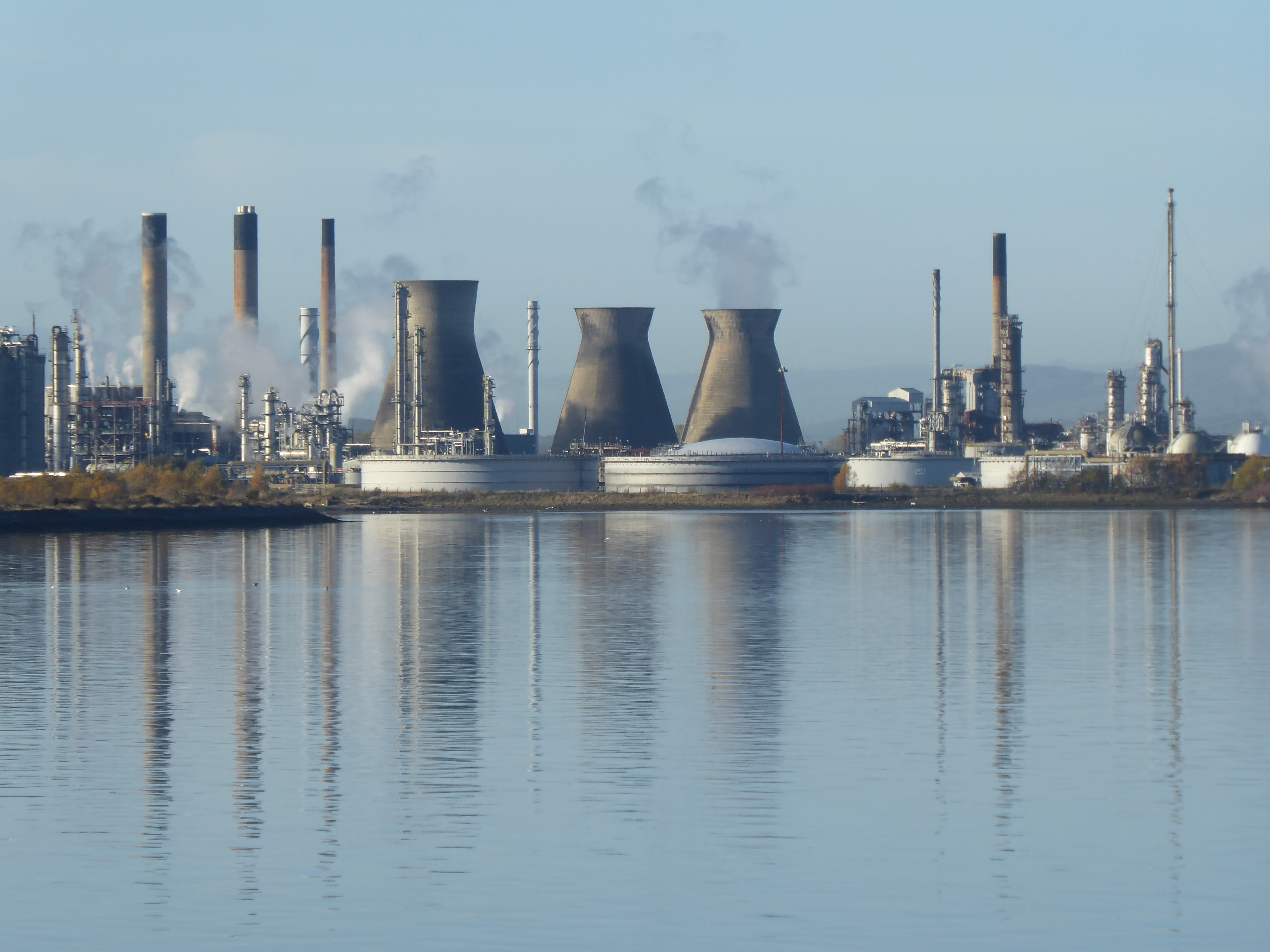
Your portfolio of companies will include oil and gas, aviation or construction companies with much higher emissions. Co-pilot tells me that oil and gas companies emit 2.5 tonnes of CO2 per £10,000 expenditure but that excludes the emissions from burning the resultant oil or gas produced so the actual impact is far higher.
Alternatively, you could choose to invest only in companies that have high environmental standards or even better those that are building the infrastructure that we need for a low carbon economy.
Ethex are a crowdfunding platform. They currently offer a ‘solar for schools’ investment with a 5% return. The £2m that they aim to raise will provide 2.5MW of solar panels on 24 school buildings generating around 2.1m units of electricity per year. Their website states that 10 tonnes will be saved over 5 years for every £10,000 invested (but I don’t advise you to invest all your money into one scheme). This is considerably better than investing in solar panel on your own roof, presumably due to economies of scale.
Donate it
Donating it to a regular charity will result in ‘average’ expenditure and 2.3 tonnes of CO2.
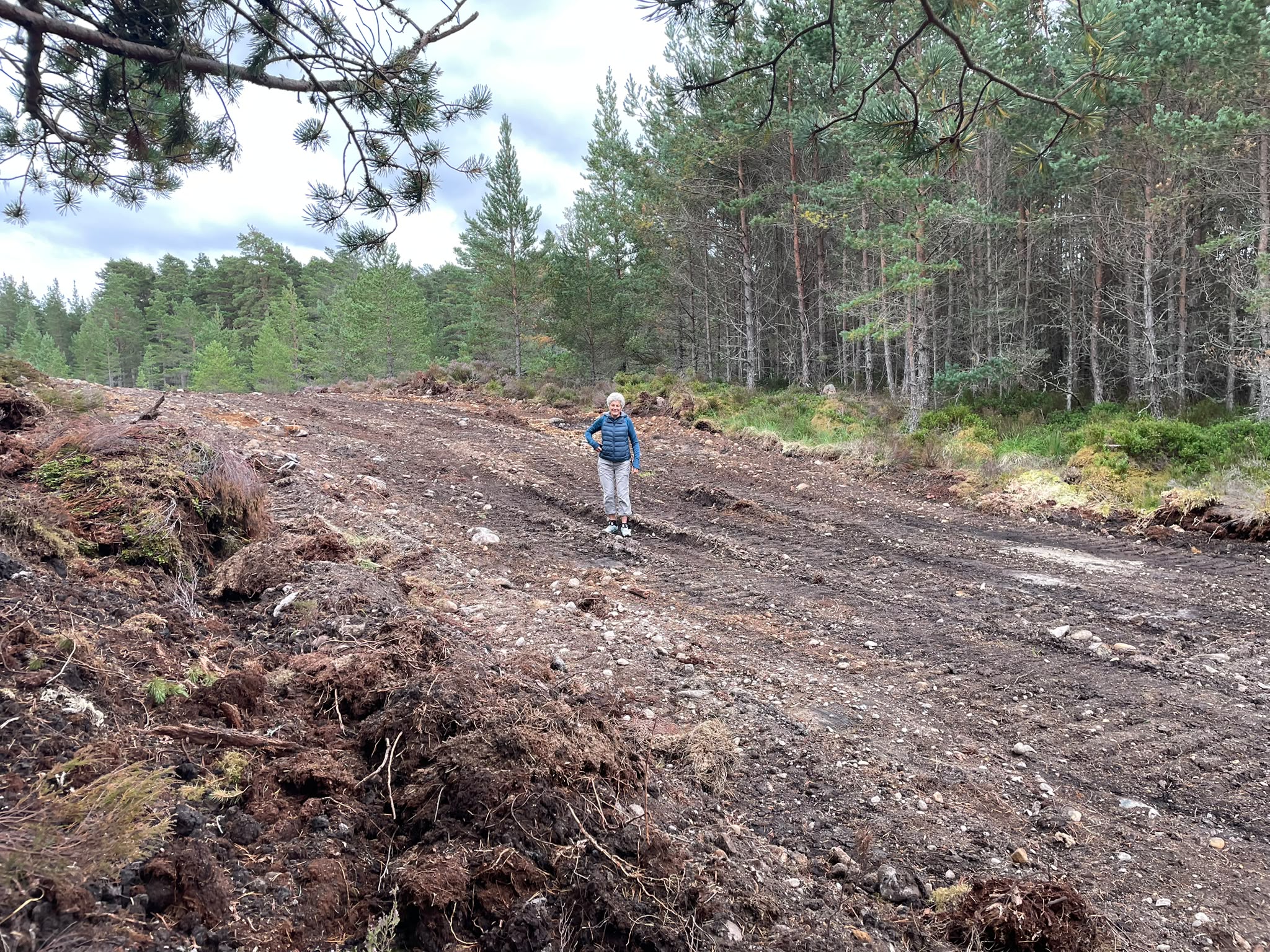
You could donate to an environmental charity, or even better, to one that is investing in climate solutions. The most obvious ones are tree planting, peat restoration or charities investing in protecting tropical forests.
The Woodland Carbon Code certifies new woodland creation and estimates carbon saved. Individuals can pay around £25 to offset one tonne of carbon. £10,000 would offset 400 tonnes of CO2. However, this can be spread over 100 years, so to compare with our other investments, our £10,000 would save 40 tonnes over 10 years. Whether this is a permanent ‘saving’ will depend on lots of factors, including the risk of forest fires.
Summary (tonnes of CO2)
|
Option |
Category |
At start |
Per year |
10 years |
|
Long-haul holiday |
Spend |
13.2 |
n/a |
13.2 |
|
Save it |
Invest |
2.3 |
n/a |
11.5 |
|
House extension |
Spend/invest |
10.0 |
0.08 |
10.8 |
|
Invest – general |
Invest |
2.3+ |
n/a |
2.3+ |
|
Donate – charity |
Donate |
2.3 |
n/a |
2.3 |
|
New kitchen |
Spend |
2.3 |
n/a |
2.3 |
|
Roof solar |
Spend/ invest |
2.5 |
-0.6 |
-3.5 |
|
Heat pump |
Spend/ invest |
2.0 |
-1.7 |
-15.0 |
|
Invest – solar |
Invest |
2.3 |
-2.0 |
-17.7 |
|
Tree planting |
Donate |
0 |
-4.0 |
-40.0 |
Perhaps unsurprisingly the long-haul holiday comes out worst, but this is closely followed by simply saving the money in a bank account. Investing in solar panels on your own roof will save you money and has a feel-good factor to it but you can cut your carbon footprint much more by investing in a heat pump to replace oil or natural gas. The emissions from investing your money in the stock market are complex and highly variable. Investing in companies that build renewables or donating to specific carbon sequestration projects like tree planting provide the best return for the Planet.
You can see that there are lots of assumptions in my calculations. Please This email address is being protected from spambots. You need JavaScript enabled to view it. any more detailed information that you may have and I can update this blog.
--------------------------------------------------------------------------------------------------------------------------
If you like this blog, please share it with your friends and on social media.
Carbon Choices
Don’t miss my future blogs! Please email me at This email address is being protected from spambots. You need JavaScript enabled to view it. with the header “please subscribe”.
You might also enjoy my book, Carbon Choices, on the common-sense solutions to our climate and nature crises. Available from Amazon or a signed copy direct from me. I am donating one third of profits to rewilding projects.
Please follow me on social media:
LinkedIn, X, Facebook, Instagram and now on Bluesky