Tackling climate change is often seen as the responsibility of governments, businesses and individuals. However, communities also have an important role to play — one that is sometimes overlooked.
Communities can take direct action themselves, but perhaps their greatest strength lies in influence. They can shape local behaviour, support practical solutions, and influence decisions made by councils, businesses and other organisations.
In this blog, I set out practical climate actions that community groups can lead, using examples from my local area around Stirling and Dunblane where possible.
Supporting Local Food
Buying local food can reduce transport emissions, support biodiversity and strengthen local economies. Growing your own food connects you to the soil, the weather and perhaps to your neighbours and community if you share.
In Dunblane, the Allotment Group successfully campaigned for new allotments, giving local people the opportunity to grow their own fruit and vegetables. These allotments, and the surrounding area, have also become a haven for biodiversity.
Across the UK, traditional orchards can be extremely biodiverse, yet many have been abandoned or lost. In my local Laighhills Park, I helped to plant two new community orchards. Within just a few years, the 300 fruit trees are producing an abundance of fruit, some of which is collected and pressed into apple juice.
Farmers’ markets and locally produced vegetable box schemes are another simple but effective way for communities to support locally grown food.
Reducing Consumption and Waste
Reducing consumption and buying fewer new goods is one of the most effective ways to cut emissions, and community initiatives can make this easier and more social.
There are now around 400 repair cafes across the UK, including one in Stirling and a new one emerging in Dunblane. These are welcoming spaces where people can bring items such as clothes, furniture, electrical appliances, bicycles, crockery and toys to be repaired with the help of skilled volunteers.
The Stirling Reuse Hub is another excellent example. It is a warehouse selling second‑hand items at affordable prices, preventing reusable goods from going to landfill and reducing the need to buy new. It sells furniture, clothing, toys, books and building materials, and also collects old laptops and mobile phones for refurbishment. Many local charity shops provide similar benefits while raising funds for good causes.
The Reuse Hub also runs a “library of things”, sometimes called a tool library. This allows people to borrow equipment for occasional or one‑off jobs, such as household tools, garden equipment, party items and sports equipment. It gives access to high‑quality tools without the cost, storage or maintenance burden of owning them.
Climate cafés are community‑run spaces where people can talk openly about the climate crisis and how it makes them feel. A host usually introduces a topic and facilitates discussion. The nearest climate café to me is Climate Café Crieff.
Recyke‑a‑Bike Stirling is a charity that repairs donated bicycles, restores them and sells them back to the public. It also provides training, volunteering and employment opportunities, often for people facing barriers to work. In 2024 alone, 1,200 bikes were refurbished and sold.
In Dunblane, Weigh Ahead is a zero‑waste shop offering food and household products without plastic packaging. Customers bring their own containers to refill to buy items such as flour, nuts, shampoo, toothpaste tablets and washing‑up liquid. Wherever possible, the shop stocks local goods.
A guide to local shops has also been published on the Dunblane community website, helping people to buy local more easily.
Promoting Sustainable Transport
Communities can play a key role in encouraging walking, cycling and public transport.
Producing local cycle maps, campaigning for good‑quality cycle lanes, and improving bike parking can all help more people feel confident about cycling. Communities can also work with councils to identify, signpost and maintain networks of local footpaths.
Engagement with councils and bus operators can improve public transport, for example through clearer timetables, better bus shelters and priority bus lanes. Bridge of Allan Community Council helped install bus shelters with green roofs, which are beneficial for pollinating insects.
Communities that own buildings can also consider installing electric vehicle chargers for local use.
Protecting the Environment and Boosting Biodiversity
Many communities own land, and even where they do not, they can influence how land is managed or volunteer on nearby public or private land, such as council‑owned parks.
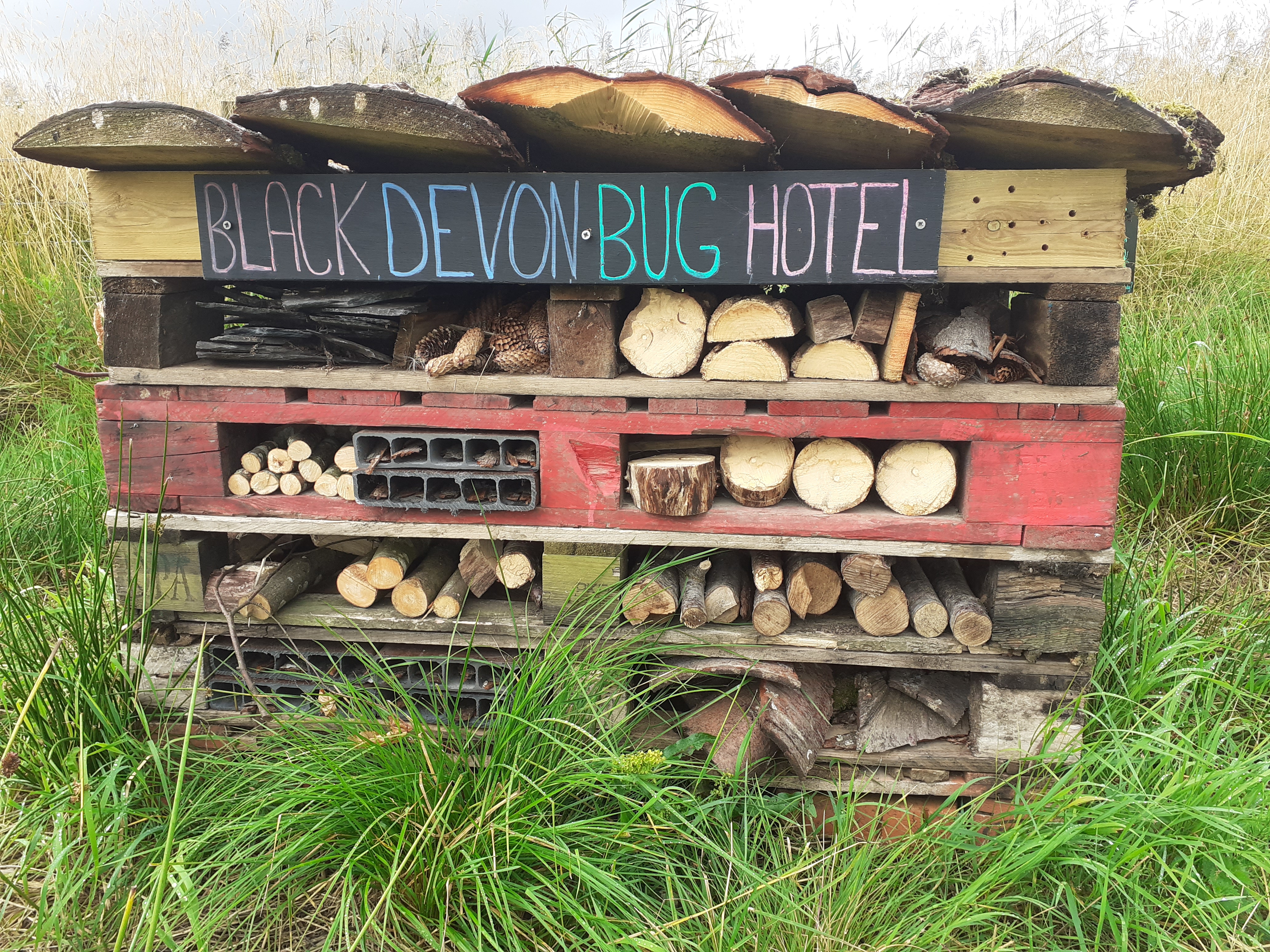
Tree planting is an obvious climate action, with additional benefits for biodiversity, public access and local wellbeing. Communities can also campaign to clean up, restore or rewild local rivers, and work with councils to make parks more nature‑friendly through wildflower meadows, reduced fertiliser use and the creation of ponds.
Tackling the scourge of invasive species can be led or supported by community groups and volunteers. There are dozens of problematic species, but the most common are rhododendron ponticum, Japanese knotweed, giant hogweed, Himalayan balsam and grey squirrels. All of these threaten local biodiversity and they require long-term perseverance to tackle effectively.
Organising community litter picks is another simple but effective action, especially when supported by councils that can provide equipment and arrange free disposal of collected waste.
Taking Action on Energy
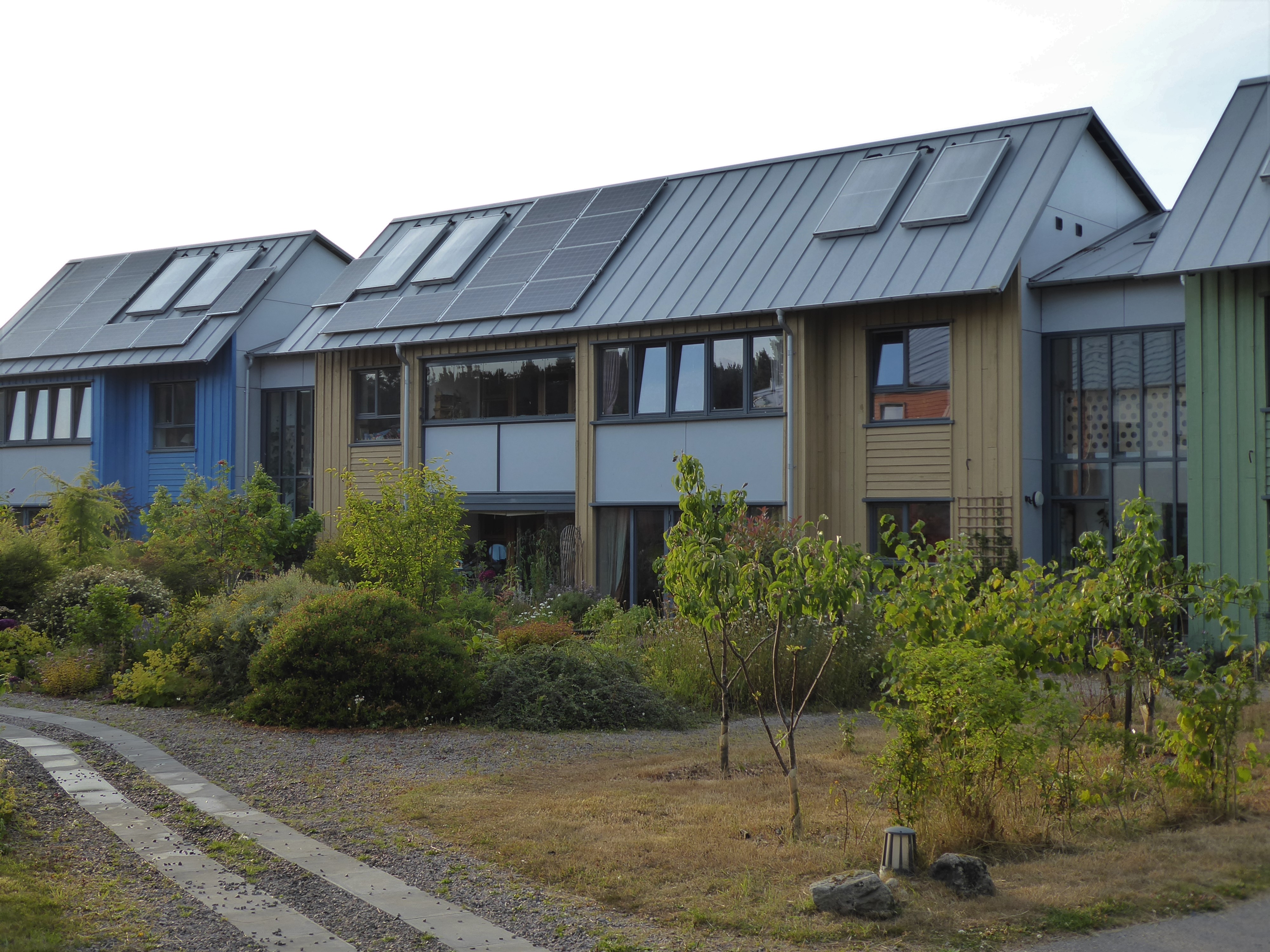
Some communities go further by developing renewable energy projects such as wind, solar or hydro schemes. These require significant effort and long‑term commitment, but can generate income that is reinvested locally.
A simpler alternative is to work with commercial renewable developers to maximise community benefits from projects they develop and manage.
Community organisations can also act as trusted partners to promote energy efficiency in homes, for example by providing access to thermal imaging cameras to identify heat loss. More ambitious projects might involve working with delivery partners to offer heat pumps, solar panels or batteries to residents at scale, making it easier for the residents, securing better prices and enabling households to learn from each other.
In Dunblane, the Development Trust, supported by Local Energy Scotland, has installed solar panels and heat pumps in the community owned Braeport Centre, replacing gas heating. This is reducing energy costs and helping to secure the centre’s long‑term financial sustainability.
Influencing Planning and Policy
To have wider impact, communities can engage with local planning processes. However, too often this is reactive, responding to individual planning applications and being labelled as opposing all development.
A more effective approach is to engage early with councils when they prepare strategic plans, such as Scotland’s ten‑year Local Development Plans. Communities can campaign positively for green infrastructure, including new cycle routes, community woodlands and better public spaces.
More ambitious groups might lobby councillors for reforms to planning and building regulations that can make it difficult to install measures such as double glazing, solar panels or heat pumps.
Engaging the Wider Community
Public engagement is vital, including work with schools and young people.
In Dunblane, the annual EcoFest is organised by a local church and community volunteers. It includes talks, films, children’s activities and an open day where public and voluntary organisations can showcase their environmental work. This year, I am presenting a session on “how you can cut your carbon footprint”.
Conclusion
Let’s be honest: local community action alone will not “save the planet”. That requires systemic change, led by government policy and regulation.
However, local action can make a huge difference to your quality of life, your local environment and community spirit. “Local action” can include lobbying and objecting, but also practical action that will make a difference on the ground that changes what people see and experience each day. It may also help to build the public support needed for wider systemic change.
If you like this blog, please share it with your friends and on social media.
Stay Connected and Discover More
To get first sight of my new blogs, email This email address is being protected from spambots. You need JavaScript enabled to view it. with the header “please subscribe”.
Connect on social media: LinkedIn, X, Facebook, Instagram, Bluesky
You might also enjoy my book Carbon Choices, on the common-sense solutions to our climate and nature crises. Available from Amazon or order a signed copy. I donated one third of its profits to rewilding projects.